
Water in your basement, damp foundation walls, or persistent moisture problems can be more than an inconvenience. Left unaddressed, water intrusion can damage building materials, contribute to mold growth, and lead to costly repairs.
Whether you’re a homeowner dealing with a wet basement, a commercial property owner protecting your investment, or a builder looking for a reliable specialty contractor, finding the right professional is an important first step.
If you’re considering basement waterproofing in York, PA, understanding the causes of water intrusion, available solutions, and what to look for in a contractor can help you make an informed decision.
Understanding Basement and Foundation Water Problems
Water intrusion can occur in both older and newer buildings. While some issues are immediately obvious, others develop gradually and may go unnoticed until significant damage occurs.
Common warning signs include:
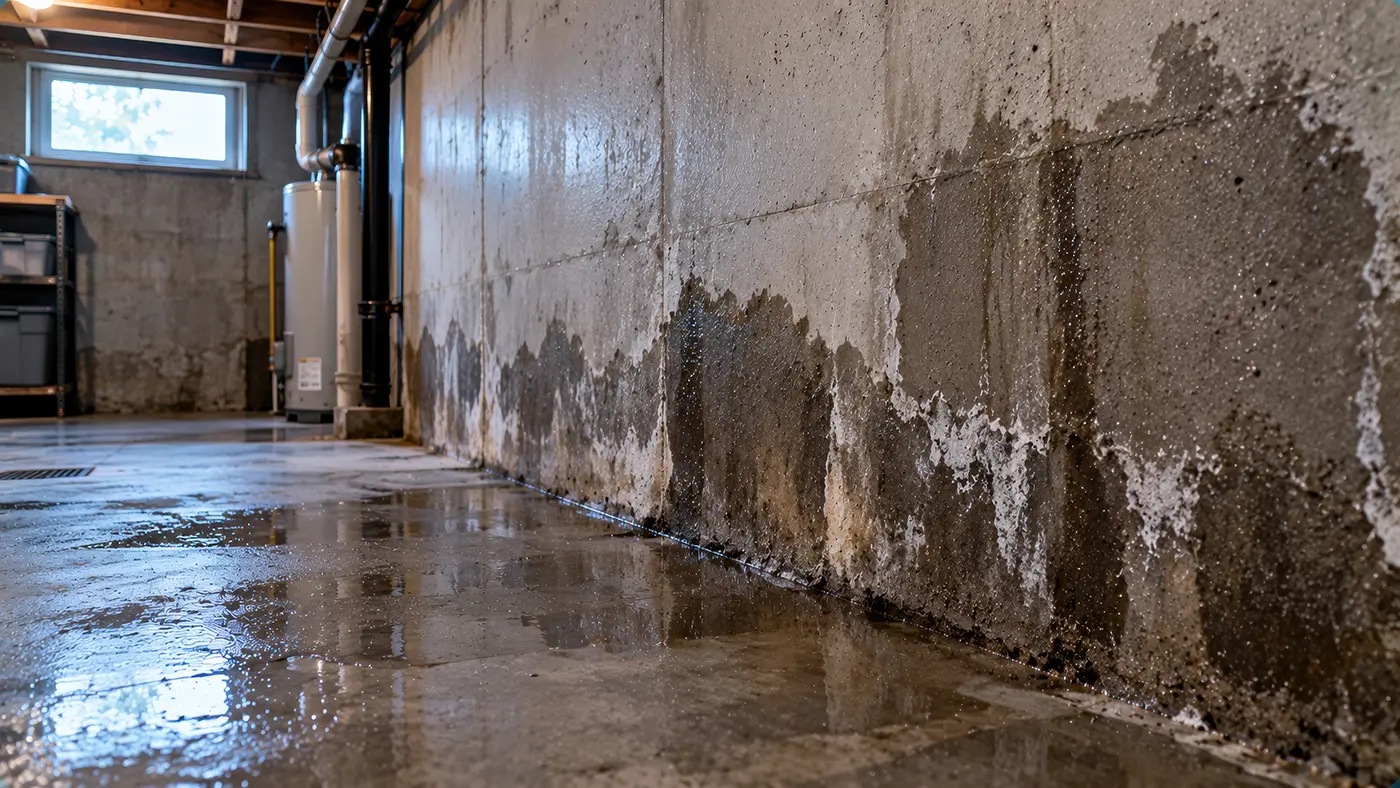
- Water pooling on basement floors or entering through foundation walls
- Damp spots, water stains, or peeling paint
- Musty odors or visible mold growth
- White, powdery deposits on concrete or masonry, known as efflorescence
- Cracks in foundation walls or floors
- Persistent moisture or unusually high humidity in below-grade spaces
These symptoms can have several underlying causes, including poor exterior drainage, improper grading, hydrostatic pressure, foundation cracks, or inadequate waterproofing systems.
Identifying the source of the problem is essential. A qualified waterproofing professional can evaluate the conditions and recommend solutions based on the building’s construction, site characteristics, and moisture concerns.
Basement Waterproofing Solutions: One Size Doesn’t Fit All
Not every water problem requires the same solution. Depending on the source and severity of the issue, a contractor may recommend one or more approaches.
Interior Drainage and Water Management
Interior drainage systems are designed to collect water that enters a basement and direct it away from the living or usable space. These systems may include perimeter drains, sump pumps, and other water management components.
While effective in many situations, interior drainage primarily manages incoming water rather than preventing it from reaching the foundation.
Exterior Foundation Waterproofing
Exterior waterproofing focuses on preventing water from entering through below-grade foundation walls. Depending on the project, this may involve excavation, waterproof membranes or coatings, drainage boards, and exterior drainage systems.
Because exterior work can require significant excavation and site restoration, proper planning and contractor experience are particularly important.
Grading, Gutters, and Drainage Improvements
Sometimes, water problems begin outside the building.
Poor grading, clogged gutters, improperly directed downspouts, and inadequate surface drainage can allow water to accumulate near the foundation.
Addressing these conditions may be an important part of a comprehensive waterproofing plan.
Foundation Crack Repair
Cracks in foundation walls can create pathways for water intrusion. Depending on the crack’s location, size, cause, and whether structural movement is involved, a professional may recommend sealing, injection, or more extensive repairs.
Not every crack indicates a structural problem, but cracks that are widening, shifting, or accompanied by other signs of movement should be evaluated by an appropriately qualified professional.
What to Look for When Hiring a Waterproofing Contractor
Choosing a contractor involves more than comparing prices. Waterproofing work can affect the long-term performance and condition of a building, so it’s important to understand the proposed approach before moving forward.
Here are several questions worth asking.
1. What Experience Do You Have With This Type of Project?
Some contractors specialize in residential basement waterproofing, while others handle foundation drainage, new construction waterproofing, or larger commercial applications.
Ask about projects similar to yours and whether the contractor has experience with your building type and specific water intrusion concerns.
2. How Will You Determine the Source of the Water Problem?
A reliable contractor should evaluate the conditions before recommending a solution.
Be cautious of proposals that immediately recommend an expensive system without explaining the likely source of the problem and why the proposed work is appropriate.
3. What Does the Estimate Include?
A written estimate should clearly explain the scope of work, materials or systems being installed, anticipated timeline, and any exclusions.
For projects involving excavation or drainage work, ask about permits when applicable, utility coordination, landscaping restoration, and how unexpected conditions will be handled.
4. Are You Properly Insured and Registered?
Ask for proof of insurance, and relevant qualifications.
In Pennsylvania, contractors performing covered residential home improvement work are generally required to register under the state’s Home Improvement Consumer Protection Act. Homeowners can verify registration information through the Pennsylvania Attorney General’s office.
Registration is not a guarantee of workmanship, so checking references and evaluating the contractor’s experience remain important.
5. What Warranty or Follow-Up Support Is Provided?
Waterproofing warranties can vary significantly. Ask what is covered, how long coverage lasts, whether maintenance is required, and what happens if the problem returns.
Understanding these details before work begins can help prevent misunderstandings later.
Waterproofing Considerations for Builders and Commercial Projects
Waterproofing isn’t limited to existing homes with wet basements. It also plays an important role in new construction, commercial building maintenance, and renovation projects.
Builders and general contractors may need specialty waterproofing professionals for below-grade foundations, drainage systems, retaining walls, or other moisture-control applications.
Commercial property owners and facility managers may also require waterproofing expertise when addressing water intrusion, protecting building systems, or planning capital improvements.
For construction professionals, establishing relationships with dependable specialty contractors can make a real difference in project coordination, scheduling, communication, and overall execution.
Working with professionals who understand construction schedules, site requirements, and coordination with other trades can help keep projects moving efficiently.
The Value of Working With Local Building Professionals
Choosing a local contractor offers practical advantages. Professionals familiar with York County and the surrounding area may have experience with regional soil conditions, drainage challenges, construction practices, and local project requirements.
The York Builders Association (YBA) connects homeowners, businesses, builders, and industry professionals with companies serving the local building community.
Through YBA’s Find a Pro directory, visitors can explore member businesses across a wide range of construction and home improvement specialties.
For YBA members, the directory is also a valuable networking and business resource. Builders, remodelers, suppliers, and specialty contractors can use it to identify fellow members, develop working relationships, and support other businesses within the local construction industry.
Find a Waterproofing Professional in York, PA
Whether you’re addressing an existing moisture problem, planning a renovation, or coordinating a new construction project, the right waterproofing professional can help you evaluate your options and determine an appropriate course of action.
Looking for a local waterproofing contractor?
Explore the York Builders Association’s Find a Pro directory to connect with member companies serving York County and the surrounding communities.
Find a YBA Waterproofing Professional
Frequently Asked Questions About Basement Waterproofing
How do I know if my basement needs waterproofing?
Common signs include water seepage, damp walls or floors, musty odors, water stains, and recurring moisture problems. A professional evaluation can help identify whether the issue requires waterproofing, drainage improvements, humidity control, or another solution.
Is interior or exterior basement waterproofing better?
The best approach depends on the source of the water, foundation construction, site conditions, and project requirements. Exterior systems are designed to help prevent water from entering through foundation walls, while interior systems generally collect and manage water that enters. Some projects benefit from a combination of approaches.
Can basement waterproofing help prevent mold?
Controlling water intrusion and excessive moisture can reduce conditions that encourage mold growth. However, existing mold may require separate remediation, and waterproofing alone does not guarantee that mold will never develop.
Do commercial buildings need foundation waterproofing?
Yes. Depending on their design and site conditions, commercial buildings may require waterproofing and drainage measures to protect below-grade spaces, foundations, equipment, and building materials from water intrusion.
Where can I find a waterproofing contractor in York County?
The York Builders Association’s Find a Pro directory provides a resource for finding local member businesses, including waterproofing professionals. Property owners and industry professionals can use the directory to explore available companies and make connections.