Radon is one of the most common and most overlooked health risks in Pennsylvania homes. If you’ve tested your home and received an elevated reading, or if you’ve never tested at all, finding a qualified radon mitigation company in York County is an important next step.
The good news: high radon levels can almost always be reduced with a professionally installed mitigation system.
This guide explains what radon is, why it matters, what to look for in a contractor, and what questions to ask before hiring, plus how to find a trusted local professional through the York Builders Association’s Find a Pro directory.
What Is Radon?
Radon is a naturally occurring radioactive gas that forms when uranium breaks down in soil and rock. It has no color, odor, or taste, making it impossible to detect without testing.
Radon enters homes through cracks in foundations, gaps around pipes, sump pits, crawl spaces, and other openings where the home meets the ground. Because you can’t see or smell it, many homeowners don’t realize they have elevated radon levels until they perform a simple test, or until they’re already buying or selling a home.
Why Should You Care About Radon?
Long-term exposure to elevated radon levels is the second leading cause of lung cancer overall and the leading cause among people who have never smoked.
The Environmental Protection Agency (EPA) recommends taking action if your home’s radon level measures 4.0 picocuries per liter (pCi/L) or higher.
Pennsylvania consistently ranks among the states with the highest radon levels in the country. The Pennsylvania Department of Environmental Protection estimates that nearly 40% of homes tested in the state have radon levels above the EPA’s action threshold, making testing especially important for homeowners in York County and the surrounding region.
The important thing to remember is that elevated radon isn’t uncommon, and it doesn’t mean your home is unsafe forever. A professionally installed mitigation system can often reduce radon levels significantly.
Should Every Home Be Tested?
Yes.
Every home is different. Two neighboring homes can have very different radon levels because of differences in soil conditions, construction methods, foundations, and ventilation. Whether you’re in York City, Hanover, Red Lion, Shrewsbury, or Spring Grove, the only way to know your home’s radon level is to test it.
The EPA recommends:
- Testing every home at least once
- Testing before purchasing a home whenever possible
- Retesting after major renovations or structural changes
- Retesting after installing a mitigation system to verify it is working properly
- Periodic retesting every few years or whenever recommended by your mitigation professional
Buying a Home? Don’t Skip the Radon Test
If you’re purchasing a home in York County, adding a radon test to your home inspection process is a smart investment. Even newer homes, including new construction throughout communities like Dallastown, Seven Valleys, and Shrewsbury, can have elevated radon levels.
If high levels are discovered, buyers and sellers often negotiate mitigation before closing or factor the cost into the purchase agreement. Testing before you buy gives you valuable information and peace of mind, and it’s a straightforward step that protects both sides of the transaction.
Signs You May Need Radon Mitigation
Unfortunately, there are no physical symptoms that tell you your home has elevated radon. The only way to know is to test.
Consider testing if:
- You’ve never tested your home
- You’re buying or selling a home
- You’ve finished a basement
- You’ve completed foundation work or major renovations
- Your neighbors have reported elevated radon levels
- It’s been several years since your last test
If any of these apply, don’t put it off. Testing is inexpensive, widely available, and takes only a few days.
What Does a Radon Mitigation Company Do?
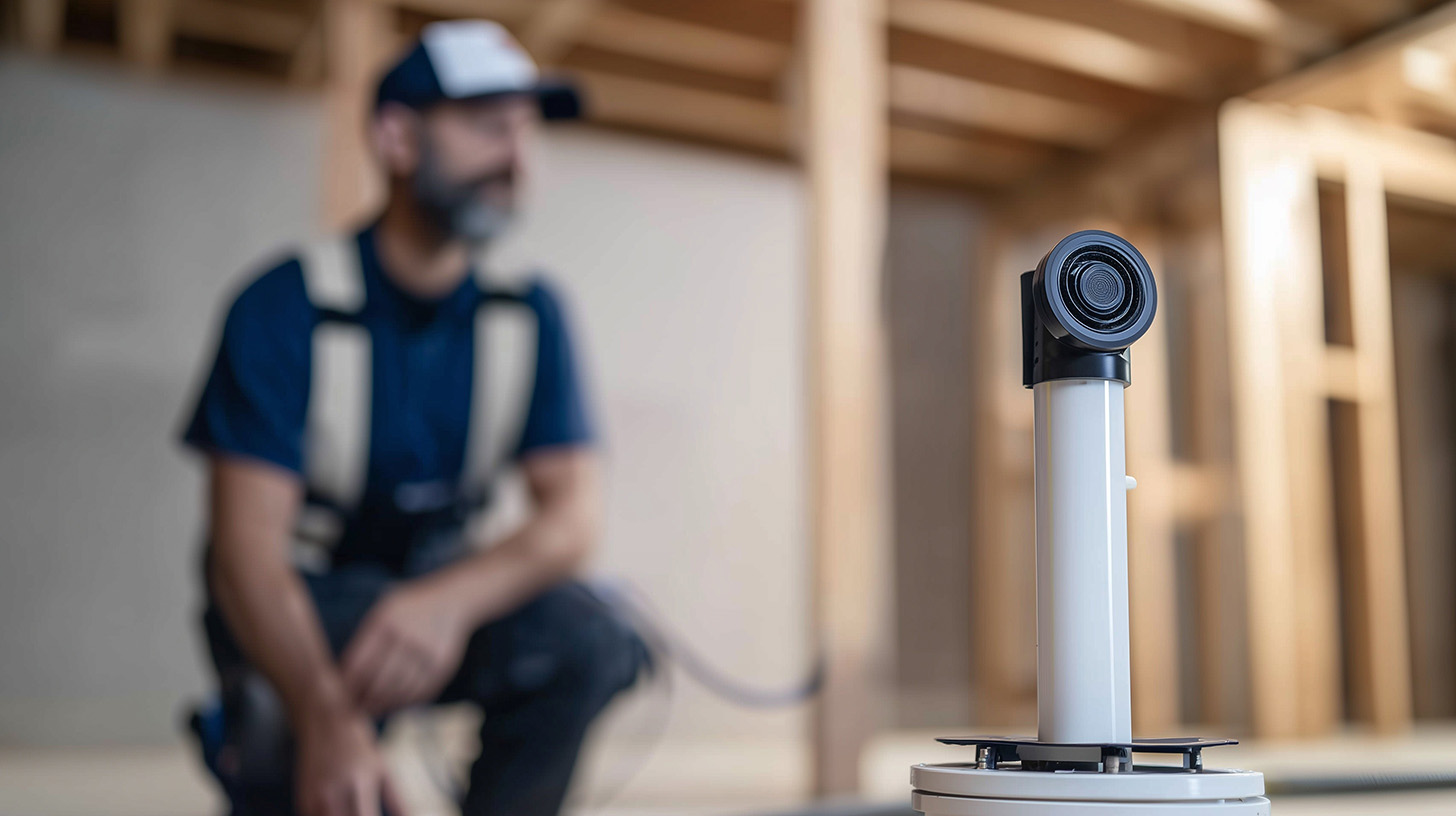
A radon mitigation contractor evaluates your home and installs a system designed to safely vent radon gas from beneath the home to the outside before it can accumulate indoors.
Most residential systems use a method called sub-slab depressurization, which involves drawing radon out from under the foundation and routing it safely away from the living space. A typical installation includes:
- PVC vent piping
- A specialized radon fan
- Sealed foundation openings where appropriate
- System monitoring components
A properly designed system works continuously to reduce radon levels and improve indoor air quality. Installation is typically completed in a single day and requires minimal disruption to your home.
How to Choose a Radon Mitigation Company in York County
When comparing contractors, look for more than just price. Here’s what matters most.
Experience
Choose a company that regularly installs residential radon mitigation systems and understands the variety of construction styles and foundation types found throughout York County, from older homes in York City to newer builds in the surrounding townships.
Specialized Training
Ask whether technicians have received formal training in radon measurement and mitigation techniques and whether they stay current with industry best practices. Proper training matters for both safety and system performance.
Clear Testing and Results
A reputable contractor should explain your test results clearly, recommend appropriate solutions, and discuss expected radon levels after installation. If a contractor can’t answer your questions in plain language, that’s a red flag.
Insurance
Verify the company carries appropriate insurance coverage for the work being performed. Don’t skip this step.
Local Reputation
Read reviews, ask for references, and look for companies with a track record of serving homeowners across York County. A contractor who operates locally has a community reputation to uphold.
Professional Communication
A quality contractor should answer your questions promptly, provide a written estimate, explain the installation process, and outline what to expect after the system is installed. How a company communicates before you hire them tells you a lot about how they’ll treat you once the work begins.
Questions to Ask Before Hiring
Before choosing a radon mitigation contractor, consider asking:
- How long have you been installing radon mitigation systems?
- Will you explain my test results in detail?
- What type of mitigation system do you recommend for my home, and why?
- How long will installation take?
- Will the system require ongoing maintenance?
- How will I know the system is working after installation?
- Do you provide post-installation testing recommendations?
A good contractor will welcome these questions. If someone seems reluctant to answer them, keep looking.
Why Choose a YBA Member?
YBA members aren’t just contractors, they’re your neighbors. They work in your community, understand local construction styles and soil conditions, and have a reputation to uphold right here in York County.
When you search the York Builders Association’s Find a Pro directory, you’re connecting with companies that have chosen to align with a professional trade association, a meaningful signal of accountability and commitment to quality workmanship. These aren’t out-of-town outfits chasing one-off projects before they move on. They’re local professionals invested in the communities where they live and work.
Whether you need radon mitigation, a second opinion on a test result, or help with a broader home improvement project, the YBA Find a Pro directory is a fast, trusted starting point for finding the right company.
Frequently Asked Questions
Is radon common in Pennsylvania?
Yes, more so than in most states. Pennsylvania has naturally high concentrations of uranium in the soil and rock, which means radon is a widespread concern. The Pennsylvania DEP estimates that nearly 40% of tested homes in the state exceed the EPA’s recommended action level, making routine testing an important part of responsible homeownership.
Can new homes have radon?
Absolutely. New construction is not immune to elevated radon levels. Every home, regardless of age, foundation type, or location, should be tested.
How much does radon mitigation cost in York County?
Most residential radon mitigation systems in the York County area range from $800 to $2,500, depending on the home’s construction, foundation type, and the complexity of the system required. A qualified contractor should provide a written estimate after evaluating your home. The investment is modest compared to the long-term health benefit.
How much does radon mitigation reduce radon levels?
A professionally installed mitigation system can often reduce radon levels by up to 99%, depending on the home and the type of system installed. Post-installation testing is the best way to confirm your system is performing as expected.
Should I test before buying a house?
Yes. A radon test is strongly recommended as part of the home buying process. It helps identify potential issues before closing and gives buyers and sellers the opportunity to address elevated levels, either through mitigation or adjustments to the purchase agreement. It’s a small step that can make a significant difference.
Find a Trusted Radon Mitigation Company in York County, PA
Protecting your family’s health starts with knowing your home’s radon level. If testing shows elevated radon, working with an experienced local mitigation professional can provide an effective, long-term solution.
Ready to take the next step? Search the York Builders Association’s Find a Pro directory to connect with qualified radon mitigation companies serving York County and the surrounding communities, from Hanover to Red Lion, Spring Grove to Shrewsbury, and everywhere in between. A trusted local professional is ready to help.